
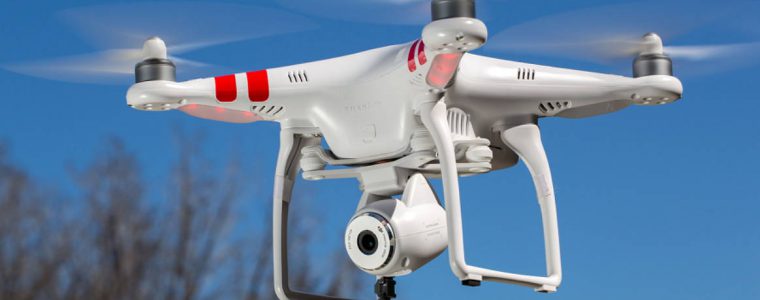
Tips and Tricks for Drone Photography
Tips and Tricks for Drone Photography
This Article will help you all about Drones | Source : Pocket Lint
Click here to View Best Drones Range | Click Here to Buy Best Selling HD Camera Drones
There are numerous tips, in fact too many to cover here, when it comes to photography, but we will cover a few. First up: use a shorter lens on your camera, because the wind will knock your camera around otherwise. You will also want the fastest lens you can get such as a professional f/2.9 zoom lens. Fixed-focal length lenses are also excellent. Fast shutter speeds around 1/1,000 second at 200mm or even 1/500 at 100mm are necessary to ensure your footage is sharp.
 Keep in mind, when it comes to lenses, anything shorter than about a 35 mm lens on a 35 mm camera or a 24mm lens on a DSLR might include the drone’s landing gear. Capturing certain objects may also require a long lens like a 80-200 mm f/2.8 zoom. And if haze is a problem in your footage, and it often is, set your camera to high contrast and look at the histogram. You may even want to shoot with a red filter if getting black and white video.
Speaking of filters, UV and Haze filters tend to not work.
Tips and Tricks for Drone Photography – Safety
Read anywhere online about how to get started with drone aerial photography and the first tip you’ll come across is practice. Similar to how pilots need to train before taking off in aeroplane, you will need to practice flying a drone. Nothing but time will make you get better at steering or capturing stunning aerial footage. That said, whether you’re just getting started or are a seasoned professional, there are some obvious safety rules you’ll need to remember.
Always think about what you might hit if your drone crashes. You should never fly over large crowds of people – unless you have a lot of experience and are confidence in your equipment. You should also avoid areas and altitudes where you could collide with manned aircraft or stumble upon unfriendly weather.
Certain low-end and medium-end drones can’t even operate in extremely high altitudes because of the thin air (and their motors tend to freeze), so you’ll want to analyse all the types of environments that both you and your drone can handle before attempting any flight.